Recent polling suggesting foreign aid could be a target for budget savings reflects a familiar pattern: Australians often overestimate how much we spend on aid.
But when people are given the full picture, attitudes shift.
Australian aid currently represents just 0.65 per cent of the Federal Budget, around 65 cents in every 100 dollars spent. If the government’s budget were a five dollar cup of coffee, overseas aid would be just over three cents of that cup.
The Lowy Institute’s most recent polling found that when Australians are reminded of the true size of the aid program, two thirds say it is either about right or too low. Research from the ANU Development Policy Centre similarly shows hostility to aid has declined, and that when Australians hear about global instability and the impact of US aid reductions, support for Australian aid increases.
Research by RedBridge has also found that Australians frequently overestimate aid spending. In a survey, only 14 per cent correctly identified that less than 1 per cent of the federal budget goes to overseas assistance, while more than half overestimated it. When respondents were told the true figure, many expressed surprise at how small it was.
Matthew Maury, CEO of the Australian Council for International Development, noted that the findings from these studies are not a surprise given our national values.
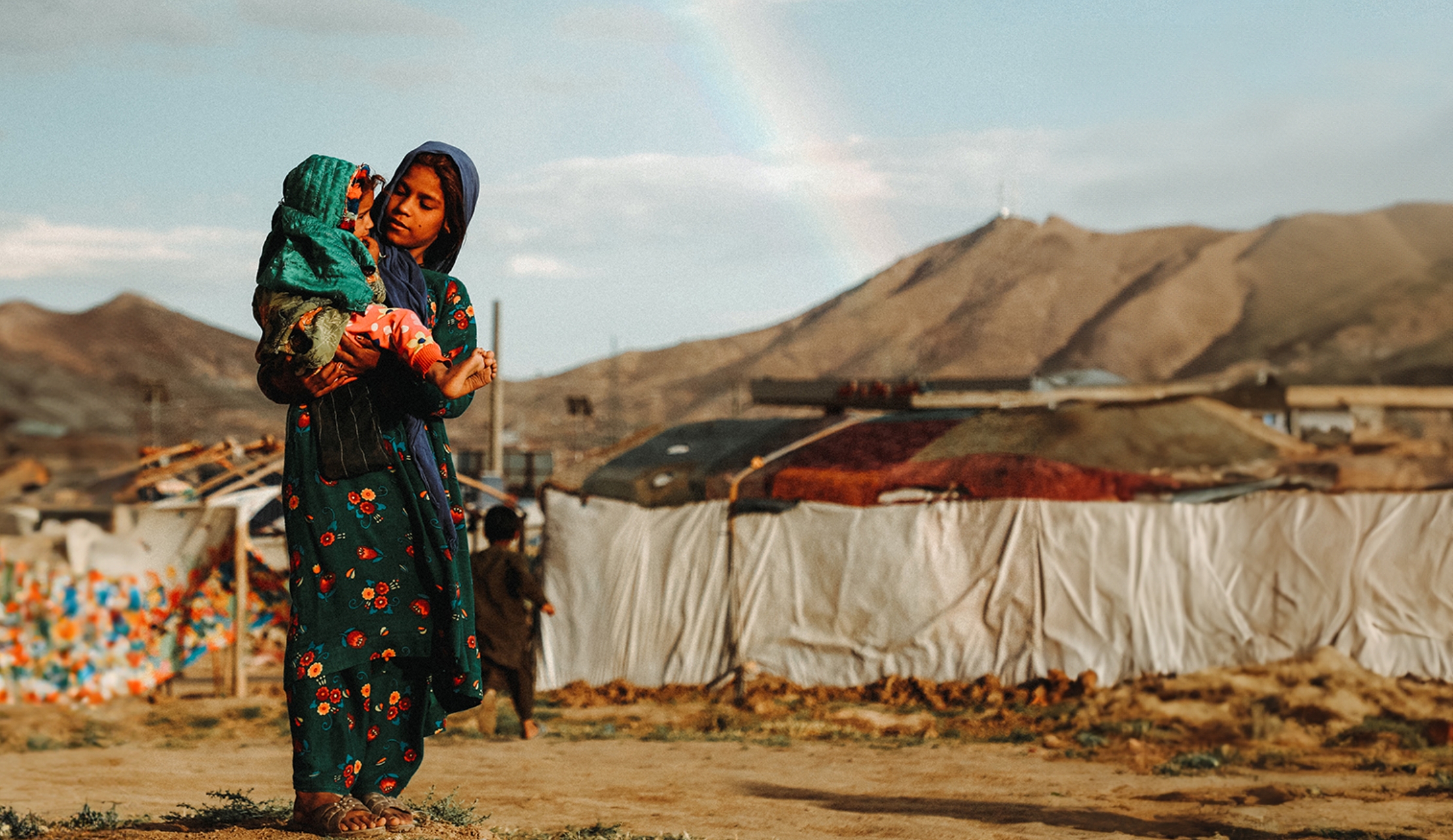
“When you visit communities in the Pacific, the impact of Australian aid is unmistakable. It’s the clinic that stays open, the small business that survives a tough season, the classroom where girls now have the chance to learn.”
“Australians are both generous and want others to get a fair go. Aid is also part of how Australia shows up as a reliable and values based partner in our region.
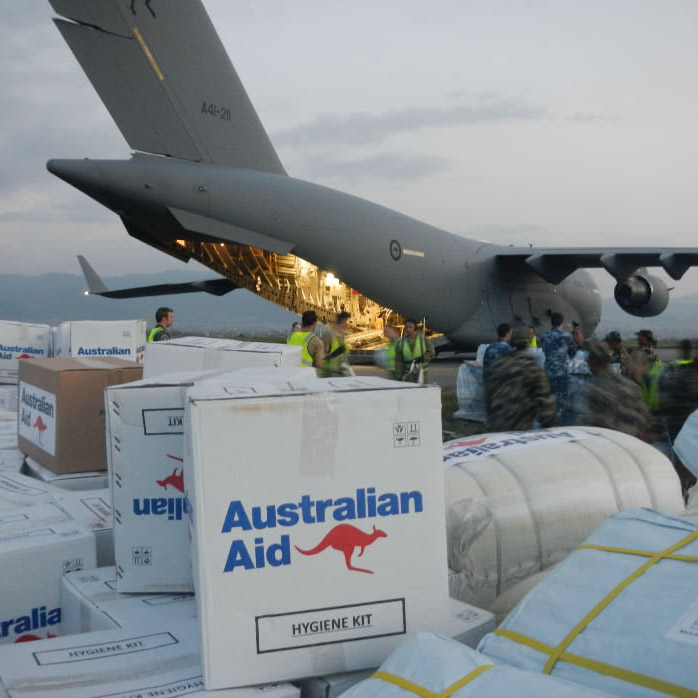
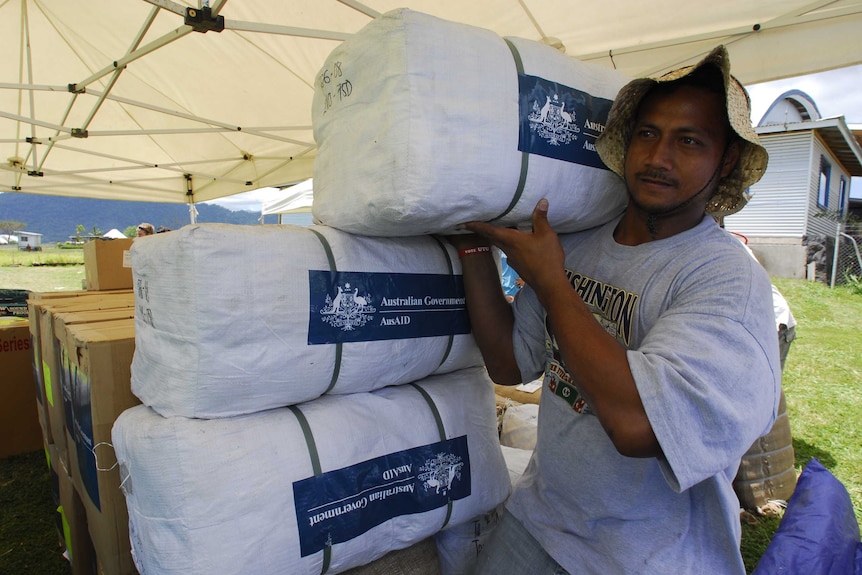
In the most recent reporting year, Australia’s aid program helped deliver emergency assistance to 8.6 million people, improve food security for 1.5 million people and support 3.6 million women entrepreneurs (DFAT Performance Report 2023–24).
Matt Darvas, National Director of Micah Australia and spokesperson for the Safer World for All campaign, said aid should be understood as prevention as much as assistance.
“Good aid strengthens health systems, supports economic resilience and reduces the risks that spill across borders through conflict, pandemics and instability.
“Australia is a middle power in a volatile region. Aid complements defence and diplomacy. It helps prevent crises that are far more expensive to respond to later.”
As Western nations review their aid programs, it is important to remember that Australia’s program has already undergone significant reform and consolidation over the past decade.
Following the 2013 election, the Abbott Government merged AusAID into DFAT and delivered substantial reductions in the 2014 Budget. Since then, the program has been reshaped to focus primarily on the Indo Pacific, with strengthened performance reporting and accountability measures.
Temporary increases during the COVID period under the Morrison Government ensured critical support during a time of regional crisis. When those measures were due to expire, the Albanese Government acted to avoid a sharp contraction in Australia’s engagement.
Today Australia’s aid program is lean, tightly targeted and subject to rigorous transparency and performance oversight.
For much of our modern history, Australia has understood that generosity and national interest go hand in hand. When John Howard left office, aid represented just over 1 per cent of the federal budget, reflecting bipartisan recognition of its strategic and humanitarian value.
Protecting a modest, effective aid program strengthens stability in our region and reflects the kind of country we choose to be. It is good for our neighbours and good for Australia.
Further background is available in the Modern Case for Australian Aid.
For more information or to arrange an interview, please contact ACFID Media at media@acfid.asn.au or call 0401 721 064.